
I didn't invent this. Here's who did the hard part.
Two weeks of method, and the honest coda: I didn't invent this. The thinkers who did the hard part, named, credited, and worth reading yourself.
Plant it right, and it holds without you.
The finale: reliability was never about watching harder, but where you keep your guarantees. Plant the structure right and it holds without you.
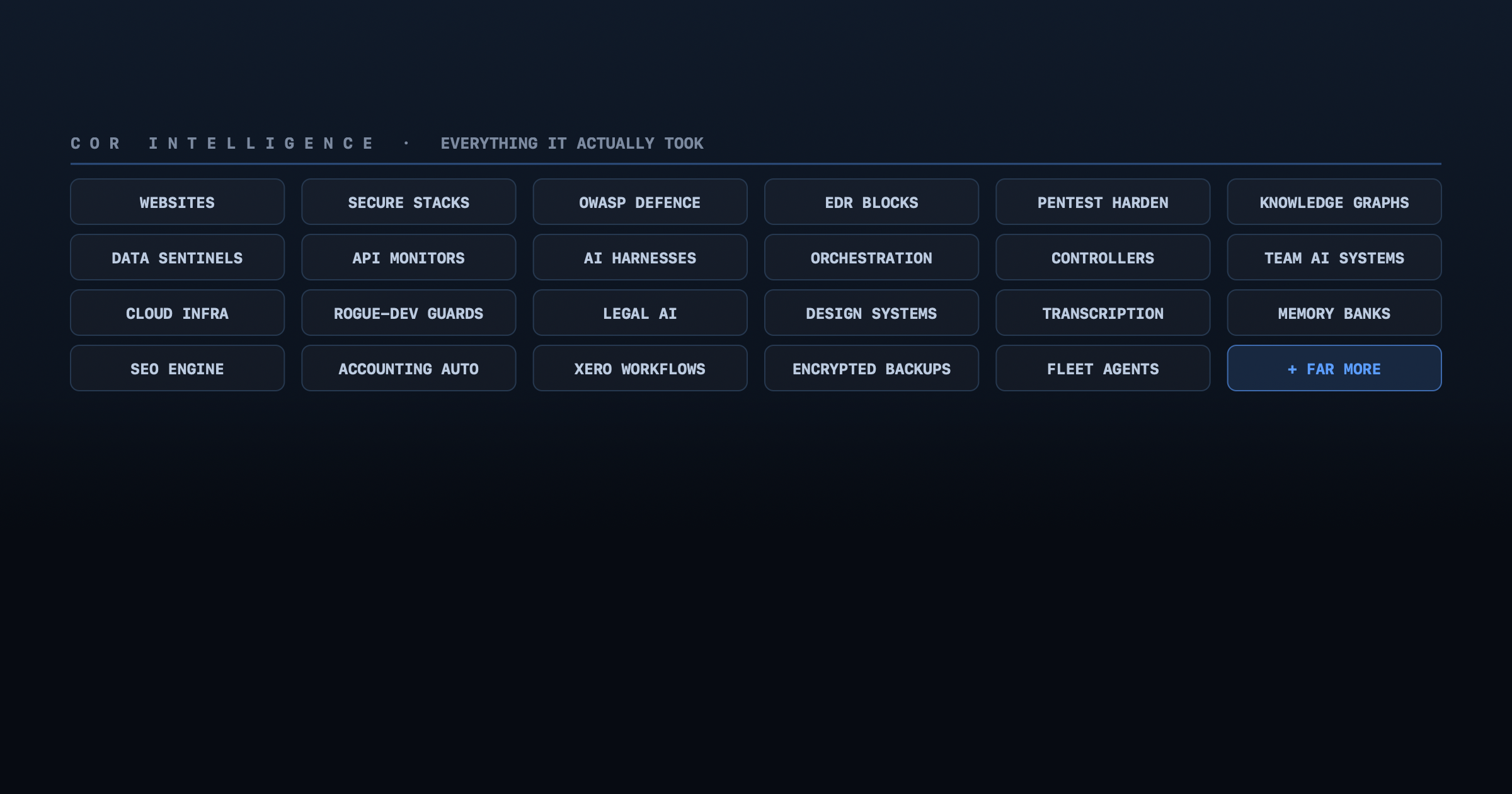
"Oh, AI made it. That must have been easy."
“Oh, AI made it. That must have been easy.” It is easy now because I spent years making it easy. Here is what actually sits behind AI work that holds up.
The model is the tenant. Your data is the building.
When a better model ships next month, is that exciting or terrifying? Your answer reveals whether the model is your tenant, or the whole building.
Nobody reminds gravity to hold the planets.
Nobody reminds gravity to hold the planets, the oldest reliable machine runs with no one watching. What that says about building systems that don't rot.
If it can't be proven wrong, it's not a method, it's a belief.
A belief and a method look identical from the outside. The only way to tell them apart is to try to prove one wrong. So here's how you'd falsify mine.
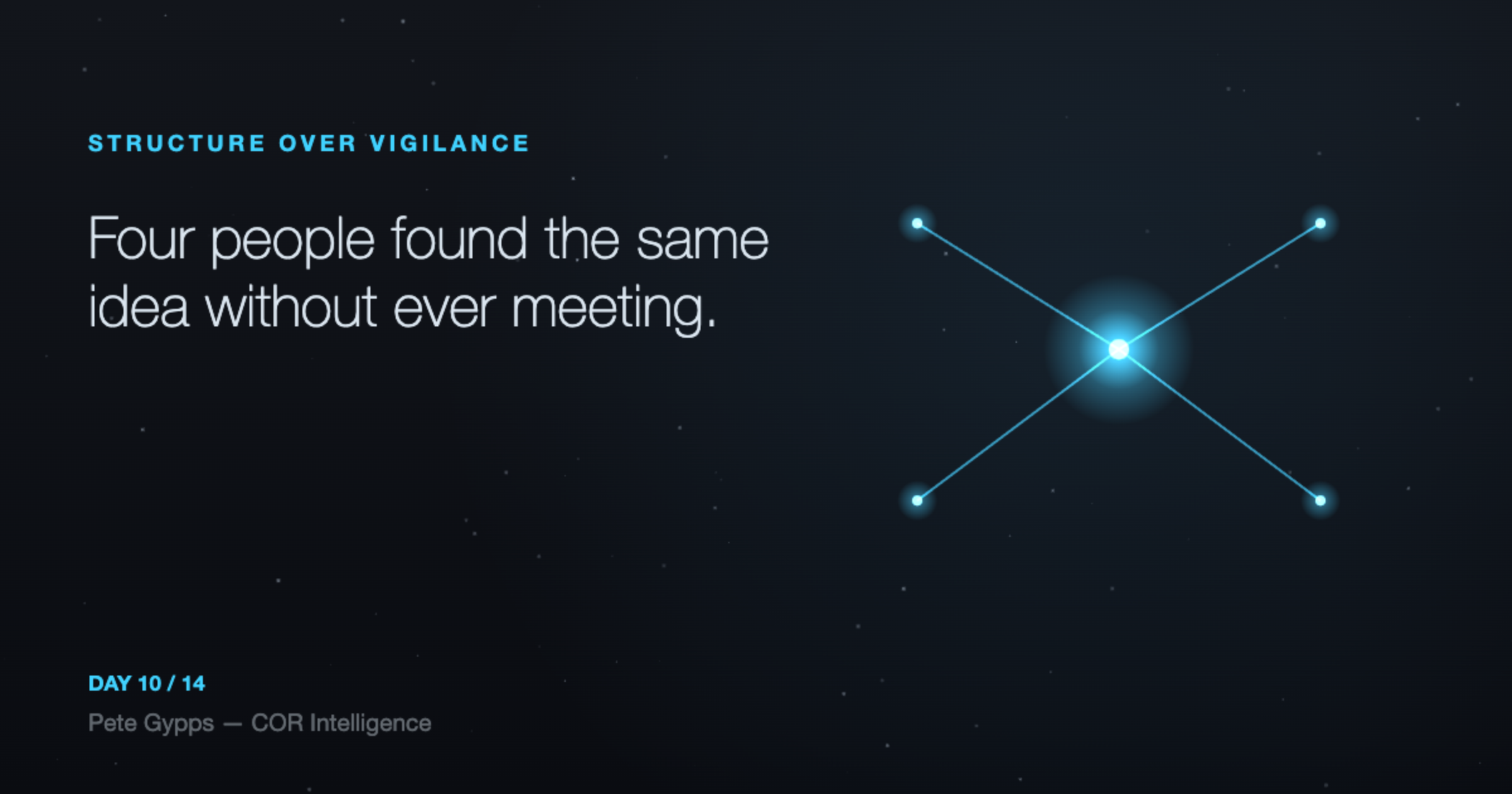
Four people found the same idea without ever meeting.
Structure over vigilance isn't mine alone, four people reached the same idea from completely different directions, without ever meeting. Why that matters.
I built it to catch me out too. And it did.
The test of any method is the moment it turns on its own author. Mine did, it caught my own confident mistake before it cost anything. Here's how.
I built it in a weekend. It's run itself ever since.
Built in a weekend, self-running ever since. What it looks like when reliability lives in a system's structure, not in someone remembering to watch it.
Seven days, one idea. The whole thing on one page.
Seven days of structure over vigilance, distilled to a single page, the whole argument, nothing padded, nothing left out. Start here if you read one.
Two pillars for the machine. The third stays yours.
Two of the three pillars of a reliable AI system you can hand straight to the machine. The third, the strategy, stays yours, and always will.
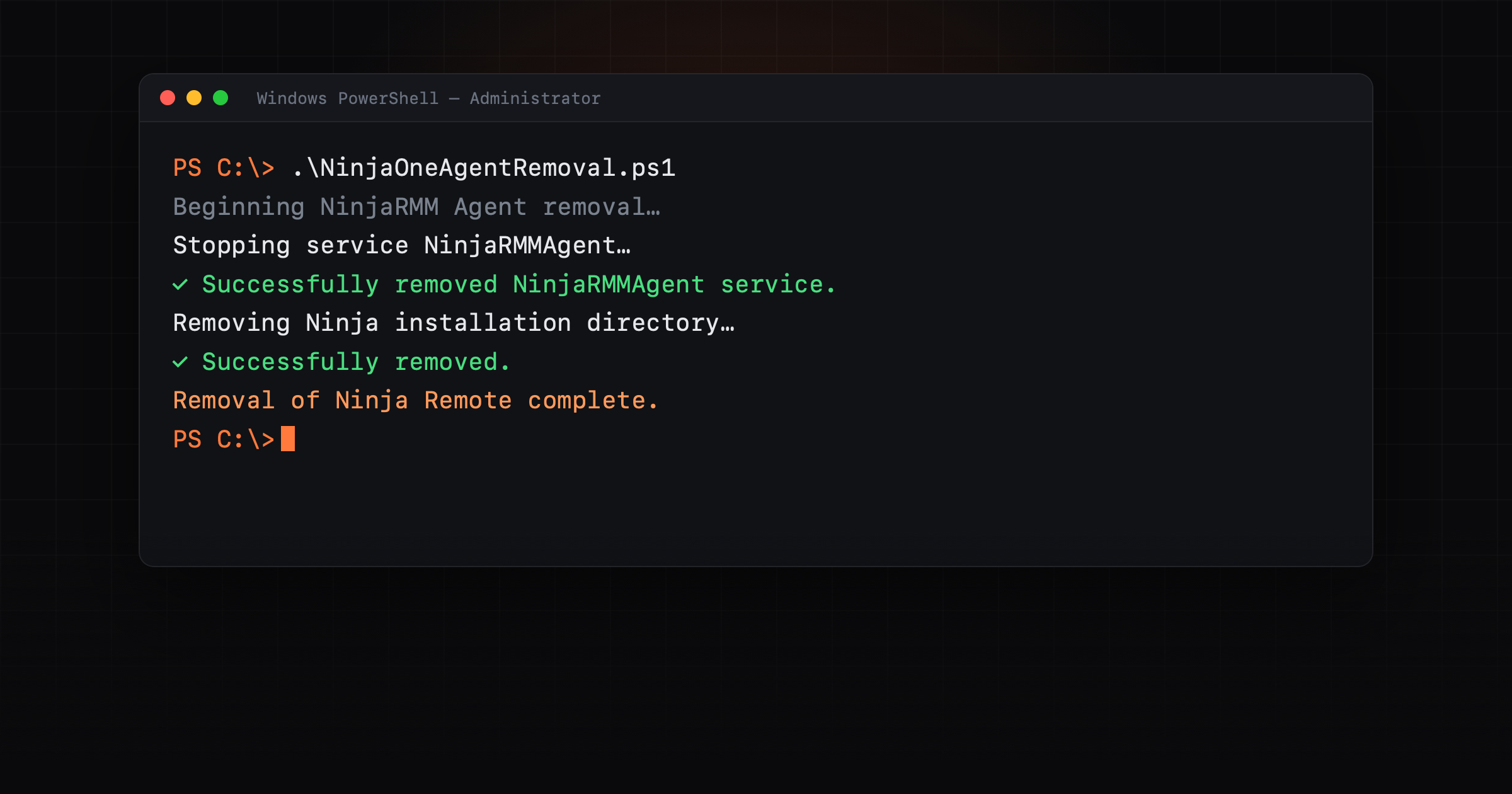
How to Completely Remove the NinjaOne RMM Agent (PowerShell)
A PowerShell script that fully removes the NinjaOne RMM agent, services, files, registry, Ninja Remote and printer driver, when the normal uninstall won't. Free download.
You can't tend a field you can't see
You can't tend a field you can't see. Why visible, connected data, not memory or dashboards you never open, is the terrain reliable AI actually needs.
Put the AI inside your data
Stop bolting AI onto the outside of your data. Put it inside, connected, single-source, visible, and the model stops guessing and starts knowing.
The most expensive two words in AI work: "just summarise".
“Just summarise” quietly throws away the detail you'll need later. Why the second law of structure over vigilance is the one everyone breaks by lunch.
A wrong name sat in a file for six months. Nobody did a thing wrong.
A wrong value sits in a file for six months and no alarm sounds, because going stale isn't an event. The drift law, and why memory-held rules fail.
AI doesn't forget. So why do our systems still rot?
AI doesn't get bored or forget, yet the systems we build with it still rot. The reason: we keep putting our guarantees in vigilance, not structure.