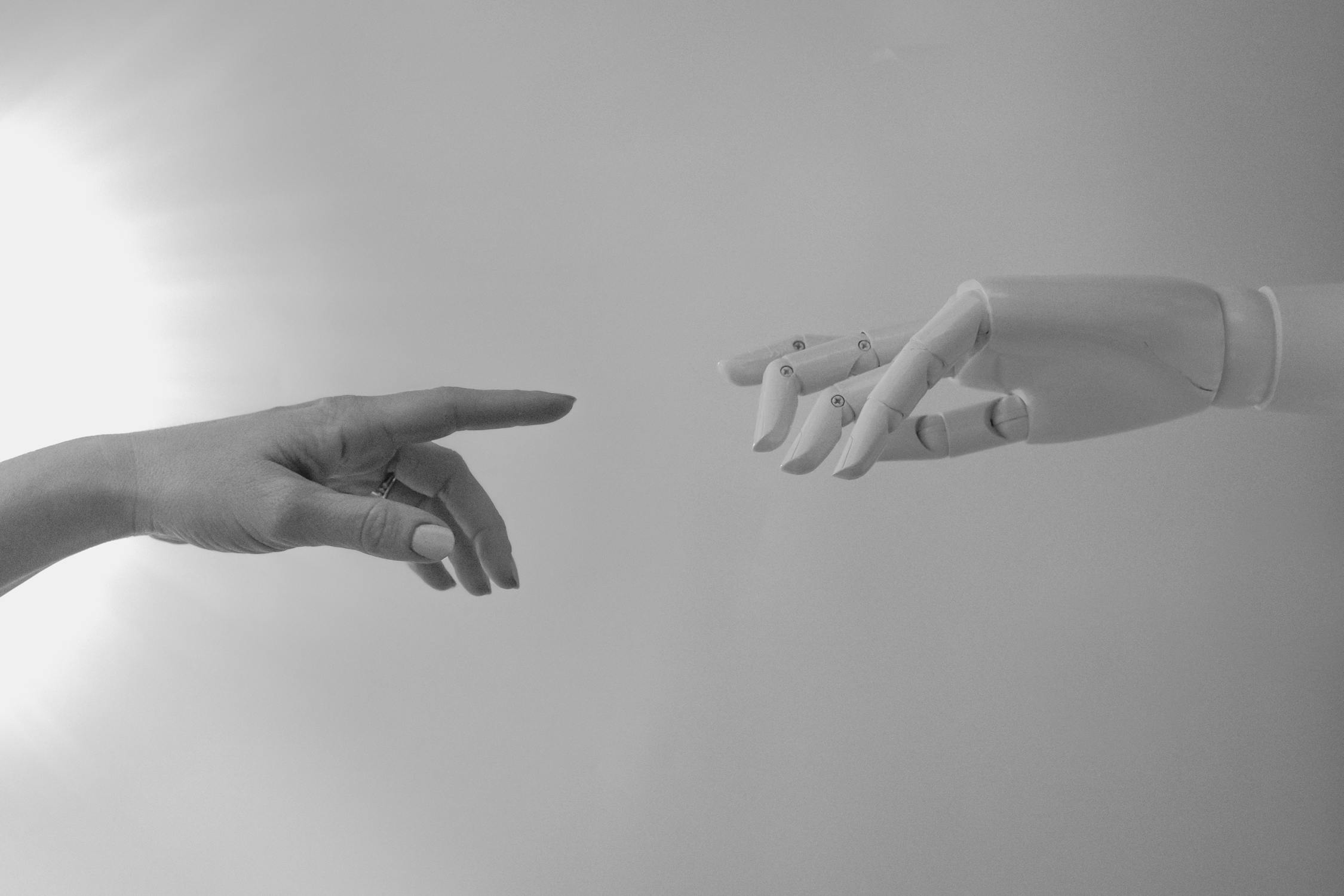
Claude Running Claude: A Real-Time AI Agent Network, Before Native Multi-Agent
What we built
Back when each AI instance ran in isolation, one request, one response, no shared state, we built a working, real-time communication network between AI agents. In practice that meant Claude orchestrating other Claudes: multiple agents coordinating on the same project, at the same time, with shared context. We had it running before Claude had native multi-agent support.
Traditional setups kept every instance independent, with no coordination and no shared context. This removed that limit, agents could pass messages instantly, hold a synchronised view of the work, and divide it between them.
How it worked
- Real-time inter-agent messaging: agents communicated instantly, without losing data
- Shared context: every agent held a synchronised understanding of the project state
- Coordinated execution: larger jobs completed through agents cooperating rather than working blind
- Live status: visibility into what each agent was doing and how far along it was
- Conflict resolution: automatic handling of competing actions
How it was put together
- Claude Code headless servers: persistent agent connections
- Supabase real-time database: fast message passing between agents
- A custom protocol: message formats tuned for AI-to-AI communication
- A state-synchronisation engine: kept every agent working from consistent information
- Task distribution: work assigned automatically by agent capability
Why it mattered
It proved the approach worked in practice, multiple AI agents coordinating in real time on real work, at a point when the tooling didn’t offer it natively. That head start is how the AI First Principles framework still operates day to day.